Key Benefits and Problems of Rotational Molding


What is Plastics Rotomolding ?
Plastics Rotomolding , or rotational molding , is a production method used to generate empty plastic products and services by heat and twisting molds filled up with powdered polymer. This approach ensures standard wall depth and allows the manufacturing of complicated shapes which are difficult to achieve with other techniques. In the Rotational Molding mid-point of this method, the polymer powder touches and layers the shape evenly, resulting in tough and high-quality products.
Why Choose Rotomolding Around Other Practices?
Statistically, rotomolded services and products demonstrate higher impact weight and toughness in comparison to injection-molded or thermoformed alternatives. Based on market surveys, services and products made using rotomolding can last 20–30% lengthier below large use conditions. Furthermore, the procedure reduces spend, as surplus polymer may often be recycled back in production.
What Resources Are Commonly Applied?
Rotational molding largely uses polyethylene because of its mobility, strength, and chemical resistance. Different polymers, like polyvinyl chloride (PVC) and polypropylene (PP), may also be utilized in certain applications. Knowledge from manufacturing reports suggests that around 70% of rotomolded products in the professional segment use polyethylene for tanks, containers, and different equipment.
What Products and services Are Generally Built Using This Method?
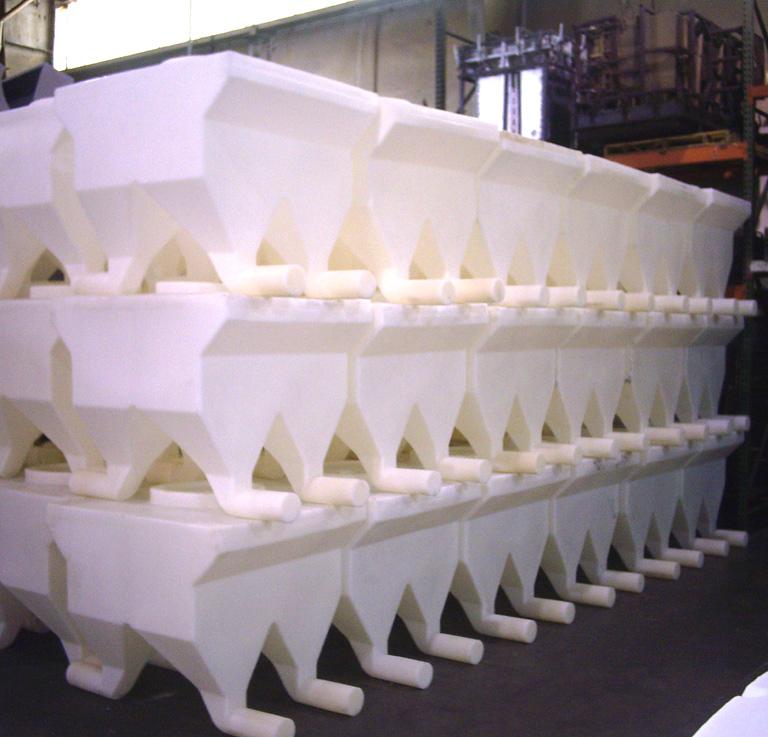
Plastics Rotomolding enables the creation of diverse things, from storage tanks and water tanks to automotive parts and playground equipment. A recently available business record revealed that the water storage and recreational solution areas account for significantly more than 60% of rotomolding production globally.
How Does the Process Perform?
The method involves four main measures:
Shape Preparation – Cleaning and pre-heating the mold.
Running Polymer Powder – Adding the complete quantity of plastic granules.
Heating and Turning – Heating the form while turning on numerous axes to consistently fur the interior.
Cooling and Demolding – Gradually cooling the form to keep form and removing the finished product.
What Will be the Crucial Benefits?
Cost-effective for medium-sized creation runs.
Produces complicated shapes with minimal tooling changes.
Reduces central worries in the merchandise, enhancing durability.
Effective at developing inserts and fittings throughout molding.
Are There Limitations?
While rotomolding offers many benefits, it's slower than treatment molding for high-volume production. Also, it is less suitable for providing components with exceptionally thin surfaces or very limited tolerances.
Conclusion:
Plastics Rotomolding is a adaptable, trusted, and significantly common production process. Its mathematical benefits in longevity, style flexibility, and spend reduction make it a powerful selection for businesses and industries centered on supreme quality plastic products. By knowledge the procedure, products, and applications, companies can make knowledgeable decisions to leverage rotomolding for their generation needs.